
Animal vs. Plant Products

How are animal products made?

Animal milks are made from purely natural ingredients and thus contain no preservatives or additives.

Furthermore, it undergoes no, or only minimal, industrial processing, and its production yields by-products that can be further processed into other delicious foods.

This is not the only reason why plant-based beverages are not a full-fledged substitute for animal-based ones; therefore, if you wish to consume milk, we recommend choosing animal milk.

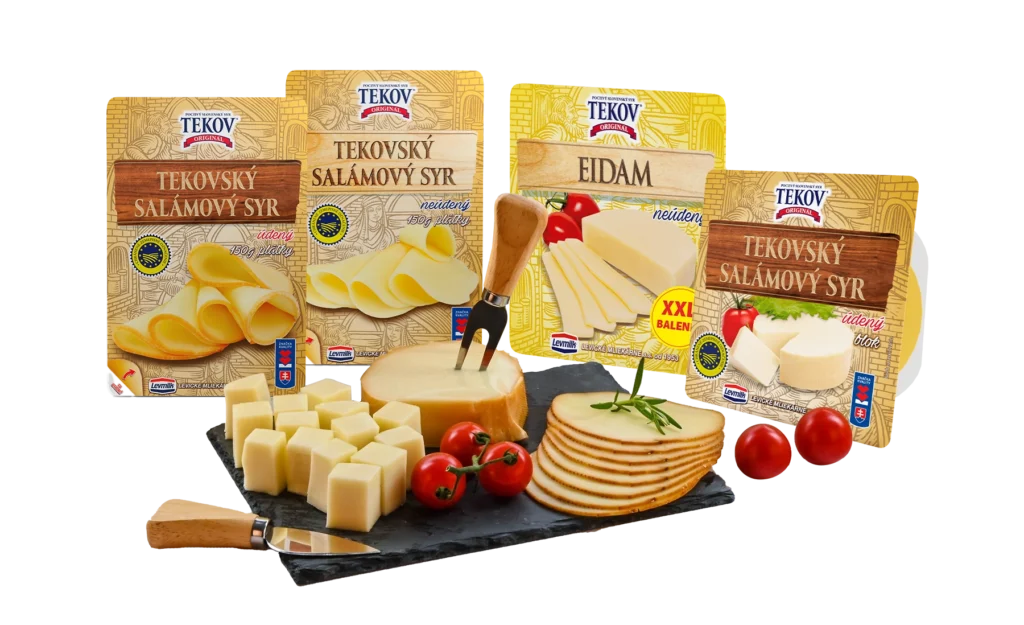
Tekov Cheeses
Milking
Heat Treatment
Cooling
Finished Product

How are plant products made?

We have examined the production of plant-based beverages, as they have become increasingly popular recently.

What did we discover?

Plant-based alternatives to dairy products are not a nutritional equivalent to animal milks and products, owing to their low nutritional value, calcium content, less suitable fat composition (e.g., vegetable starch, coconut fat), and lack of proteins, among other factors.

Furthermore, the production of plant-based beverages involves up to 12 steps in their manufacturing process to reach the final product. Let us consider, for example, the production of almond beverage. From harvesting the almonds to their storage, they are cleaned, blanched, and shelled. Subsequently, the almonds are dry-heated and crushed. They then undergo dispersion and recipe formulation, heat treatment, and finally, they are homogenized before packaging.

Such stored products may also contain harmful additives; therefore, before purchasing any plant-based beverage, it is advisable to carefully read the product information.

Therefore, even if you are unable to consume regular milk, we recommend opting for lactose-free alternatives.

The Production of Plant-Based Beverages Has an Adverse Impact on the Environment

Its production generates a significant amount of by-product waste, which is largely untreatable; furthermore, its nutritional values are lower than those of animal milk, and it undergoes extensive industrial processing with a high quantity of additives.

Harvesting
Storage
Cleaning
Blanching
Shelling

Dry Heating
Crushing
Dispersion
Recipe Formulation
Heat Treatment
Homogenization
Finished Product